

 Apr 12,2026
A guest searches your hotel on Google, finds a lower price on an OTA, and books there instead of your website. That small difference, sometimes just $5, can quietly cost independent hotel groups thousands each month. Rate parity monitoring has become a critical discipline for boutique hotels and regional portfolios trying to compete with major chains. Platforms like Innstrata Hospitality help operators keep pricing aligned across distribution channels while protecting direct booking revenue. For small hotel groups with limited staff and marketing resources, monitoring rate parity is no longer optional. It is a daily operational task that directly affects profitability.
What Hotel Rate Parity Actually Means for Multi‑Property Operators
Hotel rate parity refers to maintaining consistent room prices across all distribution channels. That includes the hotel’s direct website, online travel agencies (OTAs), metasearch engines, and sometimes offline channels such as call centers or corporate booking tools.
Most OTA contracts include parity clauses requiring the hotel to offer the same public rate everywhere. When another channel undercuts your price, two problems occur. First, guests lose trust in your direct booking channel. Second, OTAs capture more bookings and commissions.
Small hotel groups face unique challenges compared with large chains. They often manage several properties but still rely on lean revenue teams or even a single revenue manager.
Rate parity is not only about compliance with OTA agreements. It directly affects guest trust and booking behavior.
Types of Rate Parity Agreements
Not all parity agreements are identical. Understanding the differences helps operators know where violations occur.
- Wide parity: Same rate across all channels including OTAs, metasearch, and the hotel website
- Narrow parity: Hotel must match OTA rates but may offer lower prices on its own website
- Closed user group parity: Member discounts allowed if hidden behind login or loyalty programs
How Best Available Rate Influences Parity
Many hotels operate around a Best Available Rate (BAR) strategy. According to Wikipedia’s explanation of Best Available Rate, it is a pricing mechanism used by hotels where the lowest public rate available for a room becomes the standard reference price across channels.
BAR makes revenue management easier, but only if the rate appears consistently everywhere. If a third party undercuts BAR, parity breaks and your distribution strategy starts leaking revenue.
Where Rate Parity Breaks Most Often for Small Hotel Groups
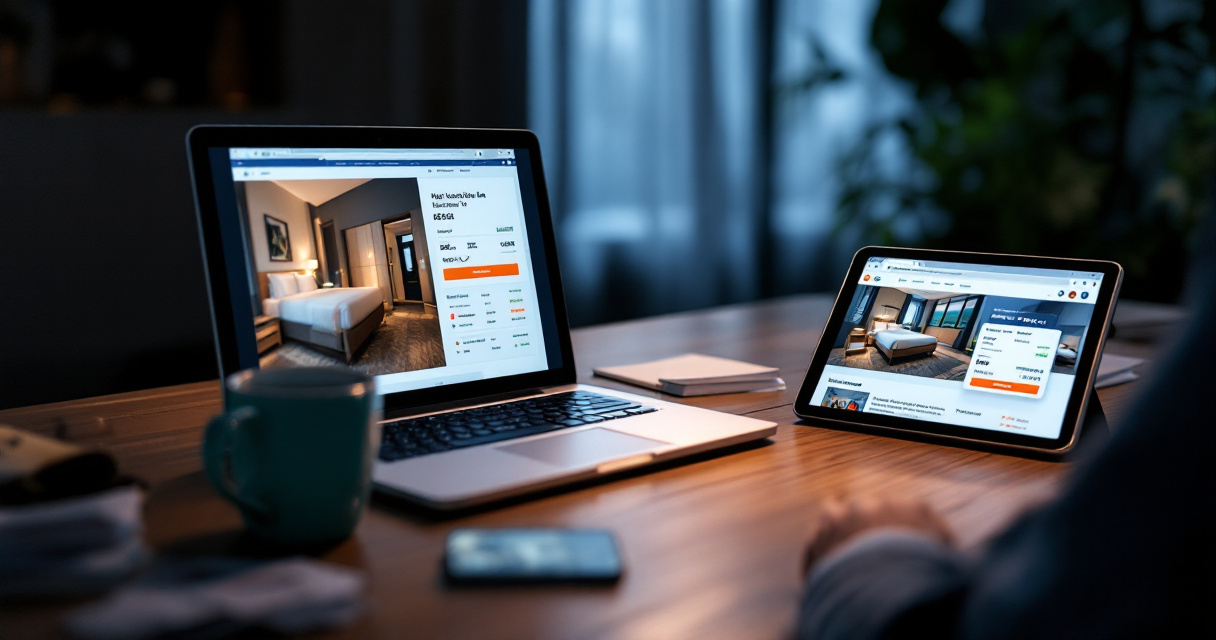
Parity issues rarely originate from one obvious mistake. In most cases, they appear from a chain reaction across multiple systems including channel managers, wholesalers, and affiliate networks.
Common Sources of Rate Leakage
Small hotel groups frequently see violations from these channels:
- Wholesalers reselling inventory to unknown third parties
- Affiliate OTA networks that redistribute prices
- Metasearch scraping delays showing outdated prices
- Currency conversions and tax differences between channels
- Manual updates inside PMS or channel manager systems
Even when a hotel sets rates correctly, external distributors may break parity downstream.
Distribution Channels That Create the Most Risk
| Channel Type | Typical Parity Risk | Why It Happens |
|---|---|---|
| Major OTAs | Medium | API delays or mobile-only discounts |
| Wholesalers | High | Inventory resold to secondary travel sites |
| Metasearch engines | Medium | Cached or scraped pricing data |
| Flash sale sites | High | Promotional campaigns undercut BAR |
| Affiliate booking sites | High | Aggregators pulling rates from multiple sources |
Why Small Groups Feel the Impact More
Large hotel chains have dedicated distribution teams and automated monitoring systems. Independent portfolios rarely have that luxury.
A five property group might rely on one revenue manager who also handles forecasting, pricing, and reporting. Without automated monitoring, parity violations may go unnoticed for weeks.
Hotels already investing in competitor rate tracking often see parity issues faster. For example, guides like how to monitor competitor hotel rates explain how price intelligence tools reveal discrepancies across booking channels.
Spotting these issues early helps hotels correct them before OTA algorithms amplify the cheaper price.
How to Monitor Hotel Rate Parity Across Multiple Channels
Rate parity monitoring combines automation with daily operational discipline. Small hotel groups do not need massive enterprise software, but they do need structured workflows.

Step‑by‑Step Rate Parity Monitoring Process
- Identify priority channels: Focus on your top OTAs, metasearch engines, and direct website.
- Track multiple dates: Check weekday, weekend, and high demand periods.
- Monitor device differences: Some OTAs show mobile-only pricing.
- Verify taxes and fees: Differences may come from VAT or additional charges.
- Log violations daily: Document which channel undercut the price.
Regular monitoring allows revenue managers to identify patterns. If a wholesaler repeatedly breaks parity, distribution contracts may need adjustment.
Manual Monitoring vs Automated Tools
| Method | Pros | Cons |
|---|---|---|
| Manual OTA checks | Low cost | Time consuming and inconsistent |
| Spreadsheet tracking | Organized history | Requires daily manual work |
| Rate parity software | Automated alerts | Subscription cost |
| Channel manager reports | Centralized data | Limited external visibility |
Small hotel groups increasingly adopt automated monitoring tools because manual checks simply do not scale across several properties.
Platforms that centralize operational data, such as Innstrata Hospitality, help operators combine pricing oversight with broader operational intelligence. When distribution data connects with booking behavior and direct channel performance, parity monitoring becomes far easier to manage.
Protecting Direct Bookings While Maintaining Rate Parity
Many independent hotels worry that parity rules prevent them from offering better deals on their own websites. That is not always true. Smart pricing strategies can increase direct bookings without violating OTA agreements.

Direct Booking Strategies That Preserve Parity
Instead of lowering the base rate, hotels can add value to the direct channel.
- Free breakfast for website bookings
- Parking or resort credit included
- Flexible cancellation terms
- Loyalty program discounts behind login
- Package offers bundling experiences
These benefits increase perceived value without changing the published room rate.
Hotels also combine parity monitoring with targeted marketing campaigns. A strong hotel email marketing strategy that drives revenue helps bring returning guests directly to the hotel website where conversion costs are lower.
Measuring OTA Leakage
Revenue managers should regularly measure how much business flows to OTAs instead of the direct channel.
Useful metrics include:
- Direct vs OTA booking ratio
- Average OTA commission cost
- Price difference across channels
- Conversion rate on the hotel website
Tools such as the direct booking vs OTA leakage calculator allow hotel groups to estimate how much revenue parity violations may be costing each property.
Even a small price difference can shift bookings dramatically because many travelers sort results by lowest price first.
Why Website Quality Still Matters
Rate parity alone will not guarantee direct bookings. Your website must convert visitors effectively.
Hotels investing in optimized booking engines and modern design often see higher direct conversion. Resources like hotel website development services explain how faster booking flows and mobile optimization reduce OTA dependence.
The Future of Rate Parity Monitoring for Small Hotel Groups
Distribution technology continues to evolve, and rate parity monitoring is becoming more automated each year. Several trends are shaping how independent hotel portfolios manage pricing in 2026 and beyond.
AI Powered Rate Monitoring
Modern pricing tools increasingly use machine learning to detect anomalies across booking channels. Instead of relying on manual checks, systems automatically scan hundreds of websites for rate discrepancies.
Expected improvements include:
- Real time OTA price scanning
- Automatic alerts when parity breaks
- Dynamic rate recommendations
- Integration with revenue management systems
For small hotel groups, automation removes hours of manual monitoring each week.
Increased Transparency from Metasearch Platforms
Google Hotels, TripAdvisor, and other metasearch platforms now display price comparisons instantly. This transparency means parity violations appear publicly within minutes.
If a guest sees a cheaper rate on another site, the direct booking channel loses credibility immediately.
Why Operational Platforms Are Expanding
Modern hospitality platforms are beginning to connect operational data with revenue management insights. Systems like Innstrata Hospitality combine guest management, operational tools, and data analysis in one platform.
That integration allows small hotel groups to see how pricing, guest behavior, and booking sources interact. Instead of treating rate parity as a separate revenue task, it becomes part of the hotel’s overall operational intelligence.
More operators are also exploring broader operational insights through resources like the Innstrata Hospitality blog, where topics such as distribution strategy, guest security, and revenue optimization intersect.
Over the next few years, the hotels that win direct bookings will be the ones that monitor distribution data continuously, not just during monthly revenue meetings.
Conclusion
Rate parity monitoring is no longer just a concern for global hotel chains. Independent portfolios and boutique groups face the same distribution complexity, often with fewer resources. Consistent monitoring across OTAs, wholesalers, and metasearch platforms protects your Best Available Rate, builds guest trust, and prevents costly commission leakage.
Small hotel groups that combine automated monitoring, strong direct booking strategies, and centralized operational platforms gain a clear advantage. Tools such as Innstrata Hospitality help operators connect rate oversight with broader hotel performance insights, making it easier to manage multiple properties without expanding staff.
If your hotel group suspects OTA price leakage or inconsistent channel pricing, start by auditing your distribution setup and monitoring key booking channels daily. Then explore technology that simplifies the process. Visit Innstrata Hospitality to see how modern hotel management tools can support smarter pricing, stronger direct bookings, and better control over your distribution strategy.