Apr 13,2026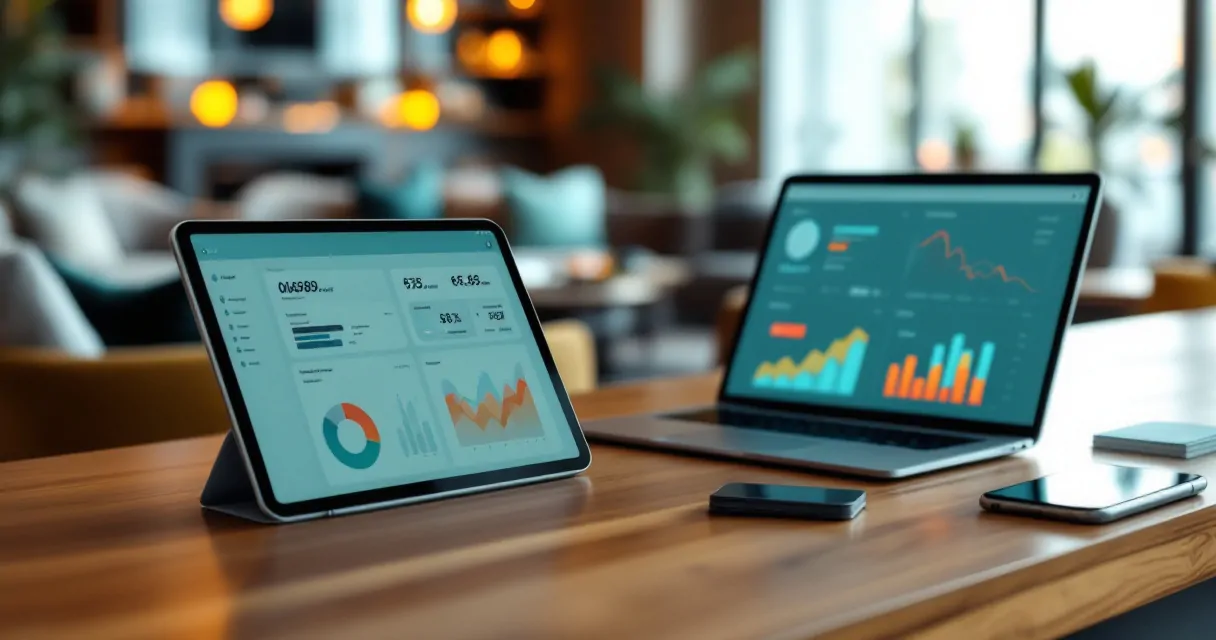
Independent hotels rarely have the staffing or budget of large chains, yet guests expect the same digital convenience. The difference often comes down to technology. A modern hotel tech stack, defined as a set of software components that work together to form a complete operational platform according to Wikipedia’s definition of a solution stack, can automate operations, boost direct bookings, and reduce costly manual work. Platforms such as Innstrata Hospitality help independent properties connect these systems while improving security, revenue tracking, and guest management. The challenge is choosing the right mix of tools. The following guide explains the best tech stack for independent hotel operations in 2026 and how each system fits into daily workflows.
The Core Foundation: Property Management System and Channel Management
Every hotel technology stack begins with a Property Management System (PMS). The PMS acts as the operational hub that tracks reservations, guest profiles, payments, and housekeeping status. Without a reliable PMS, other systems cannot share accurate data.
Independent hotels now rely on cloud-based platforms instead of legacy software installed on local computers. Cloud systems allow remote access, automatic updates, and easier integrations with other tools like booking engines or revenue software.
“The best way to predict the future is to create it.”, Peter Drucker, Forbes
For hotel operators, building the right technology infrastructure is part of creating that future.
Core Systems Every Independent Hotel Needs
| System | Primary Purpose | Operational Impact |
|---|---|---|
| Property Management System (PMS) | Central reservation and guest management | Controls bookings, check‑in/out, billing |
| Channel Manager | Syncs inventory across OTAs | Prevents overbookings and rate errors |
| Booking Engine | Direct online reservations | Increases commission‑free bookings |
| Payment Gateway | Secure payment processing | Reduces fraud and manual billing |
Why Channel Managers Are Essential
Independent hotels often list rooms across multiple platforms such as Booking.com, Expedia, and their own website. A channel manager automatically updates room availability across these platforms.
Benefits include:
- Real‑time rate synchronization across all booking channels
- Reduced risk of overbooking
- Faster inventory updates during high demand periods
- Improved revenue control
Hotels focusing on direct bookings should also combine this system with proven tactics like those explained in this guide on increasing direct bookings without OTA discounts.
When PMS, channel manager, and booking engine work together, operators gain a reliable foundation for the rest of the tech stack.
Revenue Optimization Tools That Drive Occupancy and ADR
Room pricing used to depend on manual adjustments and intuition. Today, many independent hotels rely on revenue management systems (RMS) that analyze booking pace, market demand, and competitor rates.

Revenue technology is especially valuable for small hotel teams because it removes hours of manual analysis while improving pricing decisions.
Key Revenue Management Technologies
| Tool | What It Does | Example Use Case |
|---|---|---|
| Revenue Management System | Dynamic pricing recommendations | Adjust room rates based on demand trends |
| Rate Shopping Tools | Competitor rate monitoring | Compare pricing with nearby hotels |
| Demand Forecasting | Predicts occupancy patterns | Plan staffing and promotions |
Monitoring Competitor Rates Effectively
Revenue decisions become more accurate when hotels track competitors automatically instead of manually checking websites. Modern rate shopping tools scan hundreds of listings daily.
For example, this guide on monitoring competitor hotel rates explains how automated rate intelligence helps identify pricing gaps.
Benefits of automated rate monitoring include:
- Faster response to local events or seasonal demand
- Identification of underpriced inventory
- Data‑driven promotions instead of guesswork
Video: Building Systems That Run Without Constant Oversight
Independent hotels rarely have large revenue teams. Automation tools allow smaller properties to compete with chains that rely on dedicated analysts.
Operators using integrated platforms such as the Innstrata Hospitality platform often combine rate intelligence with operational data, which improves decision speed across departments.
Guest Experience Technology That Builds Loyalty
Guest experience technology influences reviews, repeat bookings, and brand perception. Independent hotels that invest in digital communication tools often outperform competitors that rely on manual guest interaction alone.
Guest experience software generally focuses on communication, personalization, and marketing automation.
Guest Communication and CRM Systems
A Customer Relationship Management (CRM) platform collects guest data across reservations, emails, and interactions. This allows hotels to personalize offers and improve guest retention.
Video: Choosing the Right CRM Software
Technologies That Improve Guest Engagement
- Email marketing platforms for post‑stay promotions
- SMS messaging tools for check‑in updates
- Guest apps for digital concierge services
- Review management systems for reputation monitoring
Email marketing remains one of the most reliable tools for repeat bookings. Hotels that maintain structured guest databases can send targeted campaigns during slow seasons.
For example, this resource on a hotel email marketing strategy that drives revenue explains how automated campaigns convert previous guests into future bookings.
“Your most unhappy customers are your greatest source of learning.”, Bill Gates, Goodreads
Guest feedback tools, review monitoring, and CRM systems all contribute to identifying those lessons quickly.
Security, Compliance, and Fraud Prevention Systems
Operational technology often focuses on revenue, but security systems are just as critical. Independent hotels frequently face issues such as payment fraud, identity verification failures, and chargebacks.
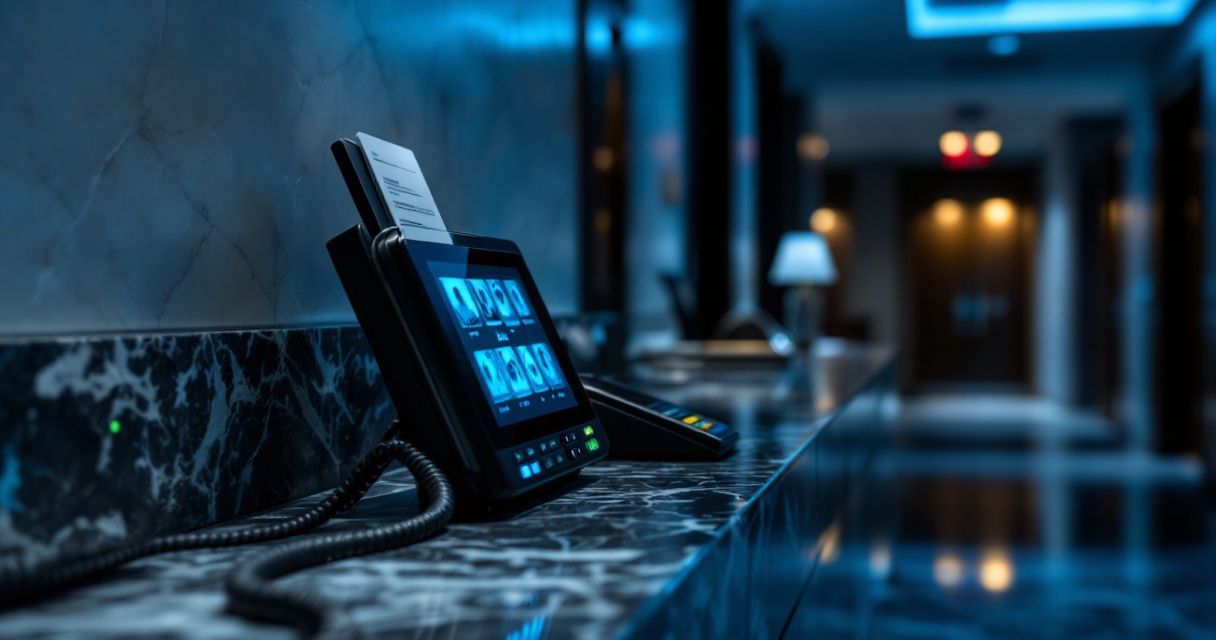
A strong tech stack includes tools that protect both the property and its guests.
Security Technologies for Front Desk Operations
| Security Tool | Purpose | Operational Benefit |
|---|---|---|
| ID Scanners | Verify guest identification | Reduces fraud and false identities |
| Chargeback Protection | Detects risky transactions | Prevents payment disputes |
| DNR (Do Not Rent) Systems | Tracks banned guests | Improves property safety |
| Fraud Detection Tools | Flags suspicious payments | Protects revenue |
Front desk identity verification is becoming more common, particularly in high‑traffic urban hotels. A dedicated system such as those discussed in this guide to the best ID scanner for hotel front desk operations helps verify guest identity in seconds.
Chargeback prevention tools are also increasingly important. Hotels face disputes from fraudulent bookings, card testing, or guests disputing legitimate charges.
Using solutions such as ChargeShield can help detect suspicious transactions before they become expensive disputes.
Security technology is also expanding into guest management tools. For example, the guest ban system within the Innstrata suite allows hotels to maintain shared DNR lists across properties.
These systems protect revenue and reduce operational stress for front desk teams.
How AI and Automation Are Shaping the Hotel Tech Stack for 2027
The next wave of hotel technology focuses heavily on automation and artificial intelligence. Many independent hotels are already adopting tools that reduce manual workloads while improving decision making.
Research in artificial intelligence continues to expand rapidly. A 2022 review of machine learning approaches highlights how AI models analyze patterns in large datasets, including customer sentiment and behavioral trends in digital interactions according to this study in Artificial Intelligence Review (source). These techniques increasingly appear in hospitality software.
Emerging Technologies Influencing Hotel Operations
- AI chatbots that answer guest questions 24/7
- Predictive analytics for demand forecasting
- Automated reputation monitoring
- Smart room technology connected to mobile apps
- Integrated guest data platforms
Example of a Modern Independent Hotel Tech Stack
| Category | Recommended Technology Type |
|---|---|
| Core Operations | Cloud PMS + channel manager |
| Revenue | RMS + rate shopping tools |
| Marketing | CRM + email automation |
| Security | ID verification + chargeback protection |
| Guest Experience | Messaging platforms + review monitoring |
The biggest change expected over the next few years is system integration. Instead of dozens of disconnected tools, hotels are moving toward unified platforms.
Solutions like Innstrata Hospitality bring operational security, guest verification, and payment protection into a single system. This reduces the need for multiple vendors while improving data accuracy.
Independent hotels that build integrated tech stacks today will have a major advantage as automation expands across the industry.
Conclusion
Technology now determines how efficiently an independent hotel can compete with larger brands. A modern stack built around a cloud PMS, revenue tools, guest engagement platforms, and security systems allows smaller teams to operate with far greater efficiency. The key is integration. When booking data, pricing intelligence, guest communication, and security tools connect together, operations become faster and more reliable.
Platforms such as Innstrata Hospitality help independent hotels centralize these capabilities while improving fraud protection and operational control. If you’re evaluating upgrades to your current systems, start by auditing your existing tools, identifying gaps in revenue management and security, and then building a stack that connects everything together.
For more operational insights and technology strategies, explore the latest resources on the Innstrata Hospitality blog or request a platform demo to see how integrated hotel technology can simplify daily operations.