Apr 09,2026
A single unchecked guest can create expensive problems for a hotel, from chargebacks to safety incidents. Front desk guest verification is no longer just a quick ID glance during check‑in; it is a structured process designed to confirm identity, prevent fraud, and protect other guests. Modern hotels now combine staff training, technology, and consistent policies to verify every arrival without slowing down the check‑in experience. Platforms such as Innstrata Hospitality help independent hotels standardize verification workflows, connect security data, and reduce risk while keeping the guest experience smooth.
Why Guest Verification Is a Core Security Function at the Front Desk
The front desk is the first operational checkpoint in a hotel. According to standard definitions, a receptionist or front desk agent manages visitor arrivals, administrative tasks, and guest communication within an organization’s reception area. In hotels, that role also carries a security responsibility: verifying who enters the property.
A weak verification process can lead to several costly issues. Fraudulent bookings, stolen credit cards, banned guests returning under different names, and identity disputes frequently originate during check‑in. Hotels that rely on visual ID checks alone often miss warning signs.
Some incidents become public and highlight the risks. For example, a real case described how police arrested a suspect staying at a hotel after staff reported suspicious activity. Situations like the one detailed in this Bangor police arrest case involving a hotel guest show why proper verification procedures matter.
“Trust, but verify.”, Ronald Reagan, Reagan Presidential Library
That phrase perfectly captures the hospitality balance: hotels must welcome guests warmly while still confirming identity and legitimacy.
Common Risks When Hotels Skip Proper Verification
- Credit card fraud and chargebacks after stolen cards are used
- Unauthorized occupants entering rooms under another guest’s reservation
- Previously banned guests returning with different identification
- Safety incidents involving unverified visitors
- Revenue loss from fake or disputed reservations
Hotels that enforce structured verification at check‑in reduce these risks while improving operational accountability.
Core Information Hotels Should Verify
| Verification Element | Why It Matters | Typical Method |
|---|---|---|
| Guest identity | Confirms the person matches the reservation | Government ID or passport |
| Payment ownership | Prevents stolen card usage | Matching ID and card name |
| Reservation details | Ensures booking legitimacy | PMS or booking confirmation |
| Guest history | Identifies banned or risky guests | Internal DNR database |
| Contact information | Supports security follow‑up | Verified phone or email |
Strong verification processes protect not only the hotel but also other guests staying on the property.
The Modern Guest Verification Workflow Hotels Should Follow
Consistency matters more than complexity. The safest hotels use a standardized verification workflow so every front desk agent follows the same steps for every guest.

A structured process prevents mistakes during busy arrival periods and ensures legal compliance in regions where identity verification is required.
Step‑by‑Step Guest Verification Process
- Confirm the reservation
- Ask for the guest’s name and confirm the booking in the PMS.
- Verify the reservation source and stay dates.
- Request a government‑issued ID
- Passport, driver’s license, or national ID card.
- Confirm spelling and date of birth match the reservation.
- Verify the payment method
- Compare the credit card name to the ID.
- For third‑party bookings, confirm authorization forms if required.
- Scan or record the identification
- Many hotels now use digital ID scanners to store verified data securely.
- Check internal watch lists
- Review Do‑Not‑Rent (DNR) lists or flagged guest records.
- Complete the registration record
- Ensure address, phone number, and email are correct.
Hotels that follow this process reduce disputes and fraud while maintaining a professional arrival experience.
Technology That Simplifies Front Desk Verification
Technology is increasingly part of verification workflows. Tools can automate tasks that staff once handled manually.
- ID scanners that read passports and driver’s licenses
- PMS integrations that flag banned guests
- Digital registration forms with verified guest data
- Fraud detection systems tied to payment processing
Hotels exploring hardware solutions can review options in this guide to the best ID scanner for hotel front desk operations.
Platforms such as the Innstrata Hospitality platform connect verification data with operational records, making it easier for multi‑property operators to track guest activity across locations.
Red Flags Front Desk Staff Should Watch For
- Guests refusing to show identification
- Mismatched names between ID and credit card
- Last‑minute cash payment requests after card decline
- Bookings made with incomplete contact details
- Guests attempting to check in under someone else’s reservation
Training front desk teams to recognize these signals helps prevent issues before a room key is issued.
Digital Tools That Strengthen Identity Verification in 2026
Front desk verification has shifted from manual checks to digital identity workflows. Independent hotels are increasingly adopting technology that confirms identity quickly while capturing accurate records.
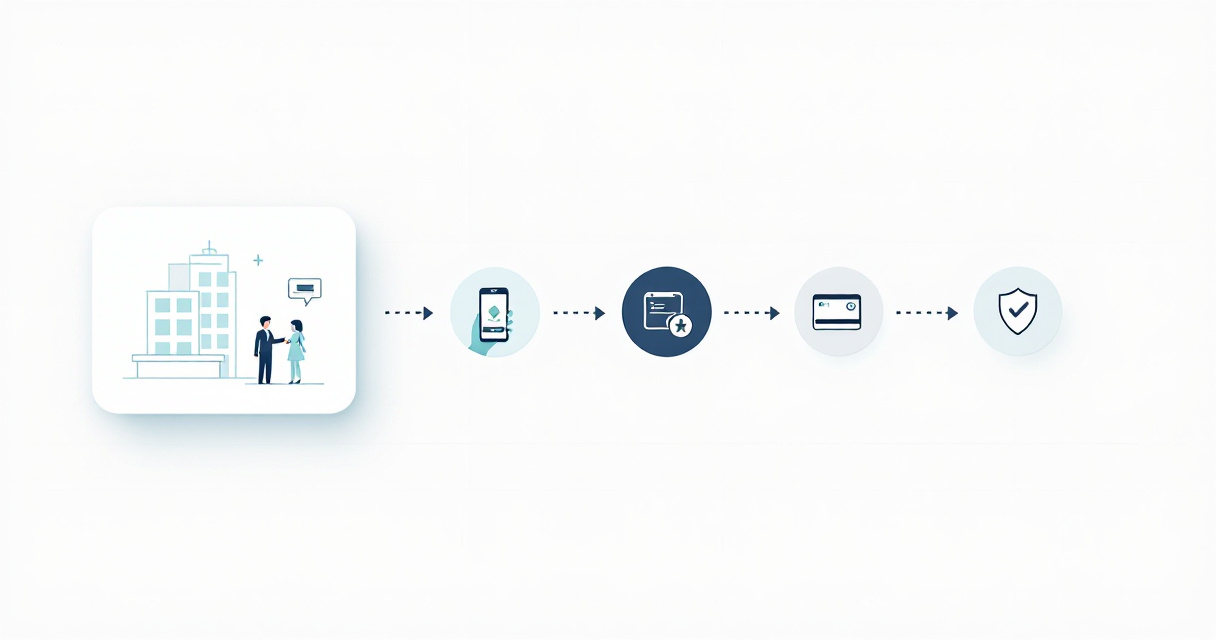
The biggest improvement comes from ID scanning and automated data capture. Instead of typing guest details manually, staff scan the ID and populate the registration record instantly.
Benefits of Digital ID Verification Tools
- Faster check‑in during peak arrival hours
- Fewer typing errors in guest records
- Secure storage of identity data
- Automatic fraud alerts when mismatches occur
- Easier law enforcement compliance when required
Digital verification also connects with other operational systems. For example, guest profiles can automatically link to payment history, incident reports, or chargeback disputes.
Hotels dealing with fraud disputes should also study strategies outlined in this guide on how hotels can prevent chargebacks.
How Integrated Hotel Platforms Improve Security
Modern hotel platforms combine multiple verification tools in one system. This reduces the need for disconnected spreadsheets or manual logs.
Using Innstrata Hospitality, hotels can:
- Track guest identity data across properties
- Flag repeat offenders or problematic guests
- Document verification steps during check‑in
- Maintain consistent policies across locations
This kind of centralized record keeping helps hotel operators identify patterns, such as guests repeatedly disputing charges or violating property policies.
“Security is a process, not a product.”, Bruce Schneier, Schneier on Security
The quote captures why technology alone is not enough. Digital tools support the process, but staff procedures remain the foundation of effective guest verification.
Managing Do‑Not‑Rent Lists and Repeat Risk Guests
Verification becomes far more powerful when hotels track guest history. Many properties maintain Do‑Not‑Rent (DNR) lists, which identify individuals who should not be allowed to stay again due to fraud, safety incidents, or property damage.

Without a centralized system, DNR lists often sit in spreadsheets or internal notes that staff forget to check during busy check‑ins.
What Hotels Typically Track in a DNR System
- Guest name and known aliases
- ID or document number
- Incident description
- Property where the issue occurred
- Date of the incident
Large hotel groups rely heavily on centralized DNR tracking because problem guests sometimes move between properties in the same region.
Operators managing multiple locations can learn more about effective policies in this guide on how multi‑property hotels should manage DNR lists.
Best Practices for Handling Flagged Guests
When a flagged guest attempts to check in, staff should follow a clear escalation process.
- Verify the identity carefully to confirm the match.
- Review the incident details in the system.
- Notify the property manager or security team.
- Politely decline the reservation if policy requires it.
Documentation is critical. Every incident should be logged so other properties can access the information if needed.
Hotels using the Innstrata Hospitality platform can manage shared guest bans across properties, ensuring that security decisions apply consistently across an entire portfolio.
Consistent enforcement protects staff and guests while reducing repeat incidents.
Training Front Desk Staff to Verify Guests Without Hurting the Experience
One common concern is that strict verification could make guests feel unwelcome. The reality is the opposite when staff communicate clearly. Travelers expect identity checks because airports, car rentals, and many hotels already require them.
Well‑trained front desk teams combine efficiency with professionalism so the process feels routine rather than suspicious.
Communication Techniques That Work
- Explain the policy briefly: “We verify ID for all guests during check‑in.”
- Maintain eye contact and a friendly tone.
- Complete the process quickly so the guest does not feel delayed.
- Avoid singling out specific guests; apply the same policy to everyone.
Consistency removes awkwardness. If every guest goes through the same verification steps, the process becomes part of the brand experience.
Staff Training Checklist for Verification
Front desk managers should train staff on:
- Acceptable forms of identification
- Fraud warning signs
- Chargeback prevention practices
- Privacy and data protection rules
- Escalation procedures for suspicious cases
Many operational insights and best practices can be found across the broader hospitality knowledge base on the Innstrata Hospitality blog.
Hotels that train staff properly often find that verification takes less than one minute per guest while dramatically reducing security incidents.
Conclusion
Front desk guest verification is one of the most effective ways to protect hotel revenue, staff safety, and guest trust. A consistent workflow that verifies identity, payment, and reservation details helps prevent fraud, chargebacks, and repeat incidents.
The strongest approach combines three elements: trained staff, clear policies, and technology that records and flags guest information automatically. Platforms such as Innstrata Hospitality help independent hotels centralize guest verification, manage banned guest lists, and maintain accurate records across properties.
If your hotel still relies on manual ID checks or inconsistent procedures, start by auditing your current check‑in process and implementing standardized verification steps. Then explore tools that simplify ID scanning, DNR tracking, and fraud prevention. Strong verification at the front desk protects both your property and every guest staying in it.