Apr 07,2026
Hotel owners lose a significant share of revenue to online travel agencies every year. Platforms such as Booking.com, one of the world’s largest online travel agencies that provides lodging reservation services globally, charge commissions that can reach double digits depending on agreements and market conditions. Direct booking website software changes that equation by allowing guests to book directly on your hotel’s website. For independent hotels and small groups, tools from providers like Innstrata Hospitality make it possible to compete with large chains by combining booking engines, marketing automation, and guest experience tools into one platform.
What Direct Booking Website Software Actually Does
A direct booking website platform combines a hotel website with an integrated booking engine that processes reservations in real time. Guests browse rooms, check availability, and complete payment without leaving the hotel’s website.
A website is defined as a collection of web pages under a common domain name hosted on a server and accessible through the internet, according to Wikipedia. Direct booking software builds specialized functionality on top of that foundation so hotels can manage reservations and revenue directly.
For independent hotels, the shift toward direct booking technology is driven by cost control. Every reservation made through an OTA reduces margin. Direct reservations give hotels more control over pricing, guest communication, and upselling.
“Your brand is what other people say about you when you’re not in the room.”, Jeff Bezos, Forbes
A hotel’s website is often the first place guests form that brand impression. If the booking experience is slow or confusing, guests return to OTAs instantly.
Core Capabilities of Modern Booking Software
Most modern systems combine several functions into a single platform:
- Embedded booking engine with live room availability
- Secure payment processing and PCI compliant checkout
- Mobile optimized booking flows
- Integration with property management systems (PMS)
- Dynamic pricing and rate management
- Automated guest messaging
- Analytics dashboards for revenue tracking
Many hotels also pair booking tools with a strong website design. A platform that includes both development and booking technology, such as hotel website development services, helps maintain speed, branding, and conversion optimization in one place.
Key Features That Drive More Direct Hotel Reservations
Direct booking software is not just a reservation tool. The best platforms function as a conversion engine that removes friction during the booking process.
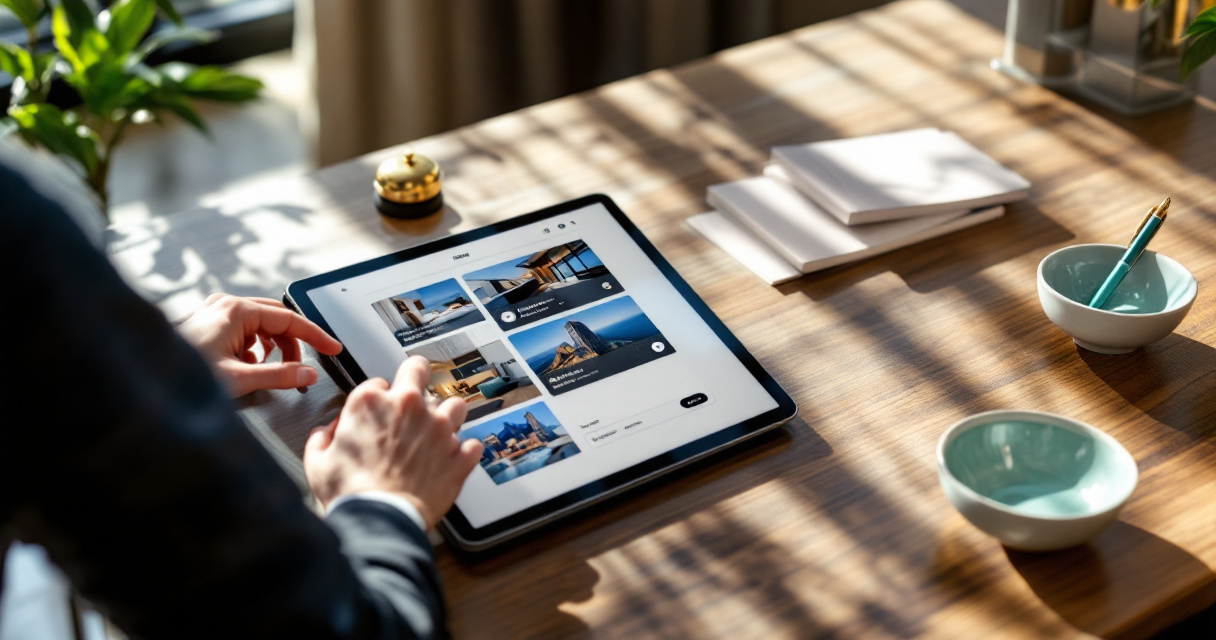
Independent hotels should prioritize systems that combine website design, marketing tools, and revenue management features in one interface.
Essential Features to Look For
Hotel operators evaluating software should look for these features first:
- Mobile-first booking experience. A majority of travelers now research hotels on smartphones.
- Real-time availability synchronization with PMS and channel managers.
- Integrated payment gateways that support multiple currencies.
- Conversion optimization tools such as countdown timers or room scarcity alerts.
- Upsell capabilities including breakfast packages, parking, or late checkout.
- Guest data collection that feeds into marketing campaigns.
A system like Innstrata Hospitality combines website technology with operational tools that allow hotels to manage guest interactions and reservations within a unified platform.
Feature Comparison Across Booking Software Categories
Typical Capabilities by Software Type
| Feature | Basic Booking Engine | Advanced Direct Booking Platform | Full Hotel Platform |
|---|---|---|---|
| Real-time reservations | Yes | Yes | Yes |
| Mobile optimization | Limited | Strong | Strong |
| Marketing automation | No | Partial | Yes |
| Guest data tracking | Minimal | Moderate | Advanced |
| Revenue analytics | Basic | Detailed | Advanced |
| Integration with hotel operations | No | Limited | Extensive |
Hotels that rely only on a basic booking engine often miss opportunities to increase direct bookings through email marketing, remarketing, or loyalty incentives.
For example, combining a booking system with a targeted hotel email marketing strategy that drives revenue allows hotels to re-engage past guests with personalized offers.
Why Direct Bookings Matter More Than Ever in 2026
Distribution strategy has shifted dramatically in the past decade. OTAs remain powerful discovery channels, but more hotels now treat them as marketing channels rather than primary booking sources.
Direct booking technology allows hotels to capture guests who initially discover the property through an OTA but later search for the official website to complete the reservation.
The Revenue Impact of OTA Commissions
Commission fees from OTAs can significantly affect profitability. When a guest books through a third party, the hotel pays a percentage of the reservation value in commission.
Consider this simplified scenario:
OTA vs Direct Booking Revenue Example
| Booking Source | Room Rate | OTA Commission | Net Revenue to Hotel |
|---|---|---|---|
| OTA Reservation | $200 | 20% | $160 |
| Direct Booking | $200 | $0 | $200 |
That $40 difference on a single booking becomes substantial over hundreds of reservations.
Tools such as the direct booking vs OTA leakage calculator help hotel owners estimate how much revenue is lost when guests book through third party channels instead of directly.
Strategies Hotels Use to Increase Direct Bookings
Technology alone does not solve the distribution problem. Hotels combine booking software with strategic marketing tactics.
Effective tactics include:
- Offering website-only perks such as free breakfast or parking
- Creating loyalty programs for repeat guests
- Retargeting visitors who abandoned the booking page
- Running Google Hotel Ads campaigns
- Monitoring competitor pricing to stay competitive
Many operators also track rate parity across channels. Tools that support monitoring competitor hotel rates help ensure your direct rate remains attractive without undercutting profit margins.
For a deeper strategy breakdown, see these 7 steps to increase direct bookings without OTA discounts.
How the Guest Booking Experience Influences Conversion
A guest who reaches your website is already interested. The difference between a confirmed reservation and a lost booking often comes down to user experience.
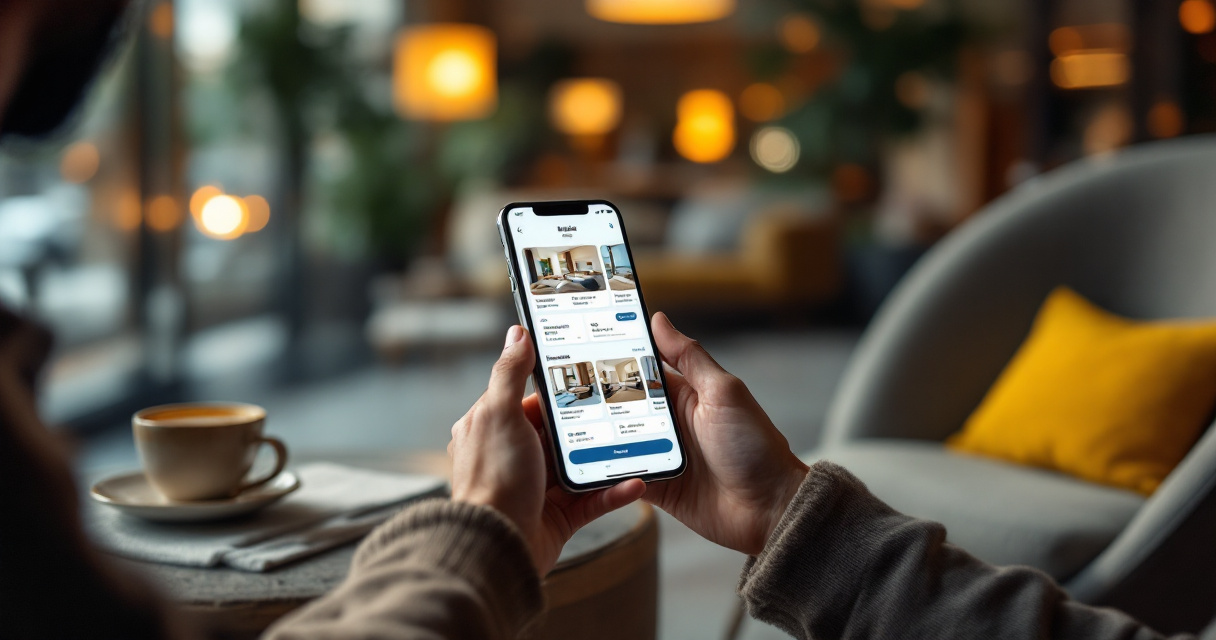
Research in digital commerce consistently shows that friction during checkout reduces conversion rates. Booking engines that require multiple redirects or complicated forms lose guests quickly.
Design Elements That Improve Hotel Booking Conversions
High performing hotel websites share several design traits:
- Fast page load speed under three seconds
- Clear room descriptions with professional photography
- Transparent pricing with taxes and fees visible early
- A simple three step booking process
- Mobile responsive layouts
Modern platforms such as Innstrata Hospitality emphasize simplify booking experiences combined with operational tools that help hotels manage guest interactions across departments.
Video: How Travelers Actually Choose Where to Book
Watch: Traveler Booking Behavior Insights
Travel creators who book hundreds of nights per year consistently highlight the same pattern. Travelers often research on large travel sites but finalize reservations on the hotel’s official website when they find better value or clearer policies.
This behavior reinforces the importance of a strong direct booking experience.
Future Trends Shaping Direct Booking Technology
Hotel commerce platforms continue to evolve quickly. New tools combine artificial intelligence, data analytics, and automation to help independent hotels compete with large brands.
Recent research on generative AI technologies highlights their growing role in digital systems and customer interactions, according to a 2024 review published in IEEE Access.
These technologies are already influencing hotel booking platforms.
AI Personalization and Predictive Pricing
AI powered booking systems can analyze guest behavior and automatically adjust offers.
Examples include:
- Personalized room recommendations based on browsing behavior
- Dynamic pricing suggestions based on demand
- Automated upsell offers during checkout
- Chatbots that answer booking questions instantly
For independent hotels, these capabilities used to be available only to major chains with large technology budgets. Modern platforms now make them accessible to smaller properties.
What to Expect in 2027 and Beyond
Several developments are likely to shape hotel direct booking software over the next few years:
- Integrated identity verification and fraud prevention at booking
- Voice and AI search booking interfaces
- Deeper CRM integration for guest lifetime value tracking
- Unified platforms combining website, PMS, marketing, and security
Hotels increasingly prefer platforms that connect operational systems with guest facing tools. The Innstrata Hospitality platform reflects this trend by integrating booking technology with broader hotel management capabilities.
Conclusion
Direct booking website software has become essential for independent hotels that want to reduce OTA dependence and increase profit margins. A well designed hotel website combined with a modern booking engine allows guests to reserve rooms quickly while giving hotels full control over pricing, marketing, and guest data.
Platforms such as Innstrata Hospitality combine booking technology with operational tools that support marketing, guest management, and revenue optimization in one system. Hotels that invest in strong direct booking infrastructure often see higher margins, stronger guest relationships, and more control over their distribution strategy.
If your property still relies heavily on OTAs, start by evaluating your website performance, booking flow, and pricing strategy. Then explore modern platforms that allow you to capture more reservations directly from your own website.