Mar 28,2026
A single disruptive guest can cost a hotel thousands in damage, chargebacks, and lost inventory. Many properties maintain a private “Do Not Rent” (DNR) list, but isolated lists have limits. When problem guests move from property to property, individual hotels often repeat the same costly mistakes. Shared Do Not Rent networks change that dynamic by allowing hotels to exchange risk signals and identify banned or high‑risk guests before check‑in. On the Innstrata Hotel Operations Blog, hotel operators are increasingly exploring shared DNR intelligence as part of modern risk management, combining guest verification, ID checks, and networked watchlists to protect revenue and staff safety.
What a Shared Do Not Rent List Actually Means in Hospitality
A Do Not Rent (DNR) list is a record maintained by hotels to flag guests who previously caused serious issues such as property damage, nonpayment, disruptive behavior, or safety concerns. When a guest appears on the list, the hotel may refuse to accept a reservation or deny check‑in.
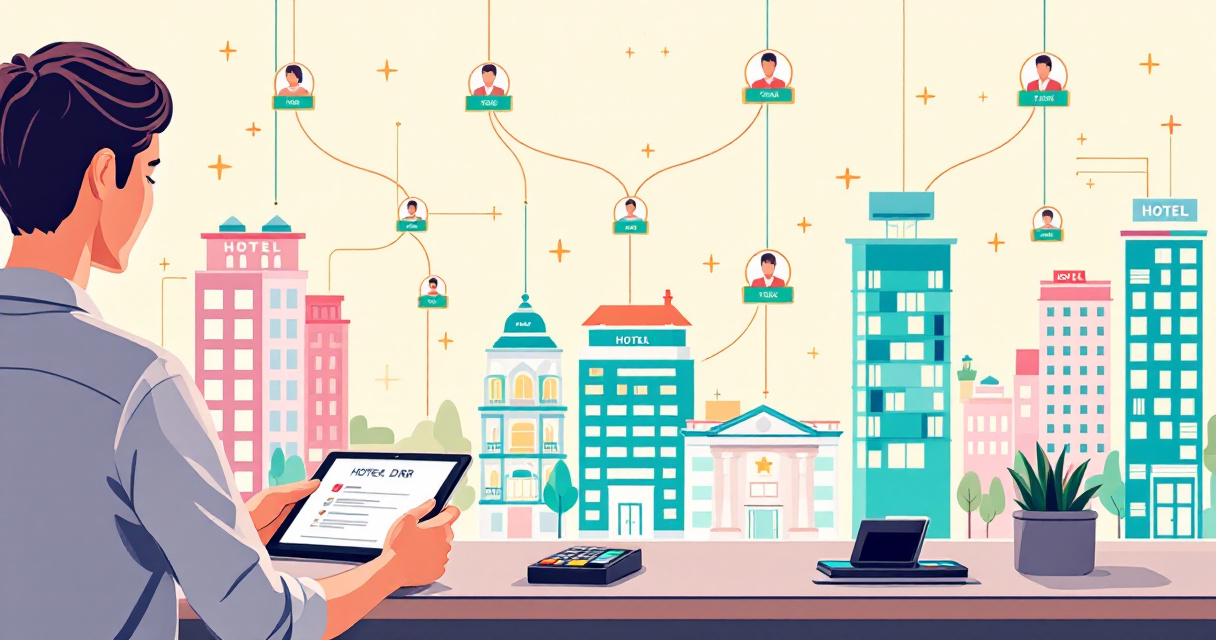
A shared DNR list extends this concept across multiple properties. Instead of a single hotel tracking banned guests internally, participating hotels contribute entries to a network database that alerts others when a flagged guest attempts to book.
A shared DNR system turns isolated hotel incidents into collective intelligence that protects an entire network of properties.
Unlike traditional internal lists stored in spreadsheets or property management notes, shared lists usually operate through specialized hospitality software platforms that verify identity and match guests against reported incidents.
Common Incidents That Trigger a DNR Entry
Hotels typically add guests to a DNR list after serious violations. These situations usually involve financial risk, safety concerns, or property damage.
- Unpaid bills or fraudulent payment methods
- Chargebacks after completed stays
- Significant room damage or theft
- Threatening or violent behavior toward staff
- Hosting unauthorized parties or illegal activity
- Repeated violations of property policies
Most hotels reserve DNR placement for serious cases rather than minor complaints. This helps maintain fairness and reduces the chance of disputes.
How Shared DNR Lists Differ From Internal Blacklists
Many independent hotels already track problem guests. The difference lies in collaboration and scale.
| Feature | Internal Hotel DNR List | Shared DNR Network |
|---|---|---|
| Visibility | Single property | Multiple participating hotels |
| Risk intelligence | Limited to local incidents | Network-wide guest behavior history |
| Data matching | Manual staff recognition | Automated identity matching |
| Preventive capability | Reactive | Proactive before check‑in |
When hotels participate in a shared network, a guest banned at one property may be flagged at another during booking or ID verification.
Why Independent Hotels Are Moving Toward Shared Risk Networks
Independent and boutique hotels often face a disadvantage when dealing with repeat offenders. Large chains share internal risk intelligence across hundreds of locations, while smaller properties traditionally operate alone.
Shared DNR networks help level that playing field.
Rising Operational Risks for Hotels
Front desk teams regularly deal with situations that affect both revenue and safety.
Common operational risks include:
- Identity fraud during check‑in
- Organized chargeback fraud
- Repeat damage claims
- Guests banned from nearby hotels moving to another property
Without shared intelligence, a guest banned from one hotel can simply book a room across the street.
Research into machine learning applications across industries highlights how pattern detection systems can identify risks earlier when larger datasets are shared across networks. A 2021 review in SN Computer Science examined real world machine learning uses and noted that predictive models improve significantly when more data sources contribute to training sets. Machine Learning: Algorithms, Real-World Applications and Research Directions.
For hotels, shared DNR databases create exactly that kind of expanded dataset.
Benefits for Small and Mid‑Size Properties
Independent hotel owners often operate with lean staff and limited security infrastructure. Shared watchlists offer several practical advantages.
- Early warning before accepting risky bookings
- Reduced property damage and disputes
- Safer working conditions for staff
- Lower fraud and chargeback exposure
- Faster guest screening during check‑in
The Innstrata Hotel Operations Blog platform often highlights how combining identity verification with networked intelligence helps hotels spot risks before they reach the front desk.
How Shared DNR Databases Work Behind the Scenes
A modern shared DNR network usually integrates with hotel operations software or ID scanning tools. Instead of manually searching spreadsheets, the system checks guest information automatically.
The Typical Workflow When a Guest Checks In
- Guest presents identification or completes an online booking.
- The system scans or verifies the ID details.
- The information is checked against the shared DNR database.
- If a match appears, the hotel receives an alert before completing check‑in.
- Staff decide whether to deny the stay or investigate further.
This process usually happens in seconds, often during identity verification.
Data Fields Used to Identify Guests
Shared systems rely on multiple identifiers to reduce false matches.
| Identifier Type | Why It Matters |
|---|---|
| Full legal name | Primary matching field |
| Date of birth | Distinguishes similar names |
| Government ID number | Strong identity confirmation |
| Address history | Adds secondary verification |
| Incident notes | Context for hotel decision |
Example: Real‑Time Guest Screening
Platforms used by hotels can scan government IDs and check them against shared risk networks, criminal registries, or internal watchlists. The result is a risk alert before a key is issued.
On the Innstrata Hotel Operations Blog, this approach is discussed as part of a broader strategy combining guest verification, risk intelligence, and revenue protection tools.
Legal and Privacy Considerations Hotels Must Understand
Sharing guest information across hotels raises obvious questions about privacy and fairness. While there is generally no universal law prohibiting hotels from sharing internal risk information, operators still need clear policies.
Key Compliance Factors
Hotels should treat DNR systems as part of their guest data governance framework.
Important considerations include:
- Maintaining accurate incident records
- Avoiding discriminatory criteria
- Following data protection regulations where applicable
- Providing internal review procedures for disputes
- Limiting access to authorized staff
DNR lists should document behavior and incidents, not personal characteristics or assumptions.
Documentation Matters
The strongest protection for hotels is clear incident documentation. When a guest disputes a ban, the hotel should be able to reference a specific event such as unpaid damages or policy violations.
Operational resilience research across industries highlights the importance of structured incident reporting for managing complex systems. A 2021 study in Nature Medicine examining crisis management across 28 countries found that organizations perform better when operational events are documented and shared across networks. Health systems resilience in managing the COVID‑19 pandemic.
Although the study focuses on healthcare systems, the principle applies to hospitality risk networks as well: shared knowledge improves response and prevention.
Practical Steps to Build or Join a Shared DNR Program
Hotels interested in collaborative DNR systems usually follow a structured implementation process.

Step‑by‑Step Implementation
- Define incident criteria for adding guests to the list.
- Document past incidents from existing internal records.
- Adopt ID verification or risk management software.
- Join a hotel risk network that supports shared intelligence.
- Train front desk staff on consistent enforcement.
Clear procedures prevent misuse and help staff feel confident applying the policy.
Internal Policy Checklist
Hotels should maintain written guidelines that include:
- Incident reporting templates
- Review and approval processes
- Removal or appeal procedures
- Data retention rules
These policies reduce legal risk and ensure fairness.
Many hotels following the guidance shared on the Innstrata Hotel Operations Blog platform integrate DNR policies directly into their broader operational technology stack, combining guest verification, rate intelligence, and chargeback protection tools.
Common Misconceptions About Shared Hotel DNR Lists
Shared watchlists often raise concerns among hotel operators. Some of these fears come from misunderstandings about how the systems work.
Myth: DNR Lists Automatically Ban Guests Everywhere
Reality is more nuanced. Most networks only flag a potential risk, leaving the final decision to each property.
Hotels can still choose to accept a guest after reviewing the incident history.
Myth: Minor Complaints Lead to Blacklisting
Responsible systems usually focus on serious violations such as fraud, damage, or safety threats.
Minor issues like noise complaints rarely qualify.
Myth: Shared Lists Create Legal Exposure
Risk increases only when hotels store inaccurate or discriminatory data.
Best practice focuses on documented behavioral incidents, which are easier to justify if challenged.
A well managed DNR system acts as a risk filter, not a punishment tool.
What to Expect From Shared Hotel Risk Networks by 2027
Shared DNR systems are evolving quickly as hotel technology platforms expand.
Several developments are already shaping the next generation of risk intelligence.
AI‑Assisted Risk Detection
Machine learning models are increasingly used to identify suspicious booking patterns or repeated fraud behavior. Larger datasets across hotel networks make these systems more accurate.
Research on machine learning applications suggests predictive systems perform best when data from multiple sources improves pattern recognition. Machine Learning: Algorithms, Real-World Applications and Research Directions.
Identity Verification Integration
Future platforms will likely combine:
- Government ID scanning
- facial verification
- shared DNR alerts
- chargeback risk scoring
This reduces the burden on front desk staff while improving decision accuracy.
Regional Hotel Safety Networks
Industry technology providers are beginning to build regional hotel safety networks, allowing properties in the same city or market to collaborate against repeat offenders.
For independent hotel groups, these networks may become as common as revenue management systems.
Conclusion
Shared Do Not Rent lists are becoming a practical tool for hotels that want to reduce fraud, prevent repeat damage incidents, and protect staff safety. When properties operate alone, risky guests can simply move to another hotel nearby. Shared networks transform isolated incidents into collective intelligence that benefits the entire hospitality community.
For independent hotels and small groups, adopting a structured DNR strategy combined with guest verification technology is quickly becoming a standard operational safeguard. Platforms and insights discussed on the Innstrata Hotel Operations Blog show how combining ID verification, shared risk intelligence, and operational analytics helps hotels protect revenue while maintaining fair guest policies.
If your property still relies on spreadsheets or manual watchlists, the next step is clear: evaluate modern guest screening tools, define clear DNR policies, and consider joining a collaborative hotel risk network that allows your property to identify high‑risk guests before check‑in.