
 Mar 03,2026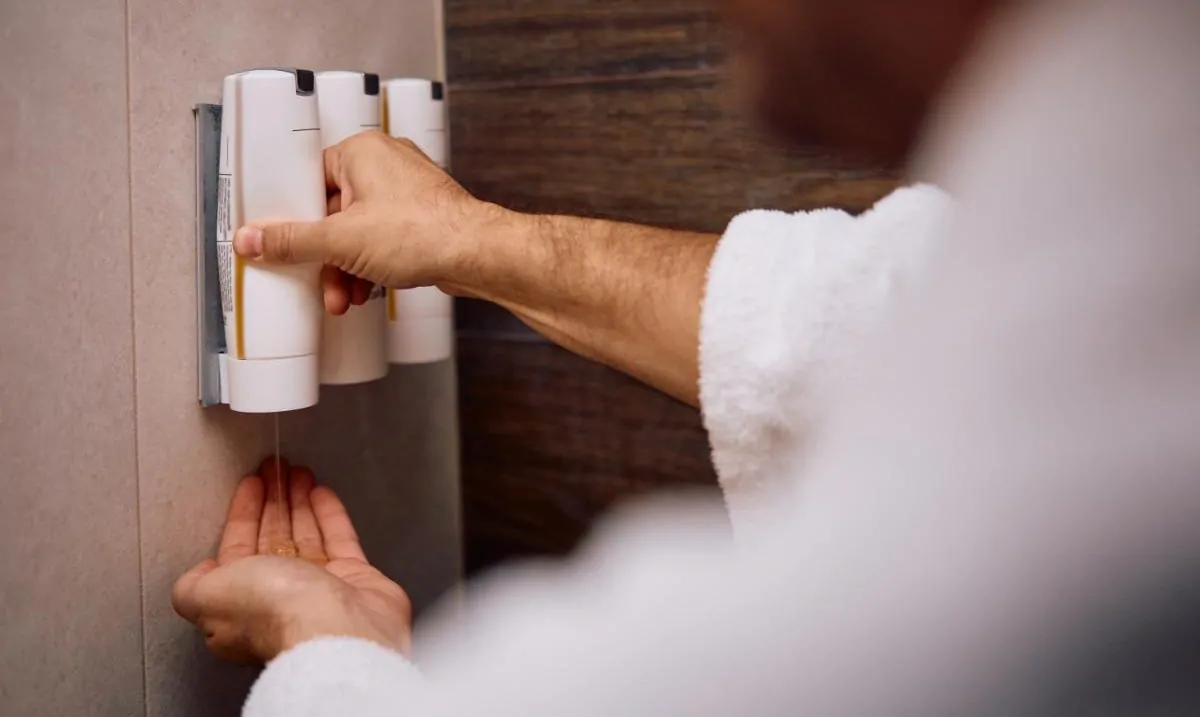
The Dirty Secret in Your Hotel Shower: What Scientists Found Inside Soap Dispensers
You check into a hotel room. The sheets look crisp. The bathroom sparkles. The shower features sleek, wall-mounted shampoo and body wash dispensers modern, eco-friendly, convenient.
But what if the soap meant to clean you is contaminated with bacteria?
 A pilot study conducted by researchers at the University of Arizona uncovered a troubling reality: refillable bulk soap dispensers in hotels frequently contain high levels of bacteria sometimes thousands of times above acceptable hygiene thresholds.
Here’s what they found and why it matters.
What the University of Arizona Discovered
In 2019–2020, researchers led by microbiologist Dr. Charles Gerba sampled in-room dispensers from 20 hotels. They collected 82 usable samples of shampoo, conditioner, body wash, liquid soap, and lotion from refillable wall-mounted units.
The results were startling:
- 100% of refillable dispensers tested were contaminated
- 76% exceeded 1,000 CFU per gram
- 49% exceeded 10,000 CFU per gram
- Some samples reached 10⁵–10⁶ CFU per gram
 CFU stands for colony-forming units a measure of live bacteria.
For comparison:
- The FDA guideline for non-eye cosmetic products is ≤1,000 CFU per gram
- Unopened bulk product samples tested at near-zero contamination
That means contamination was occurring inside the dispensers — not at the factory.
What Kind of Bacteria Were Found?
The bacteria identified weren’t harmless skin microbes. Many were Gram-negative opportunistic pathogens, including:
- Pseudomonas
- Serratia
- Enterobacter
- Klebsiella
- Pluralibacter gergoviae
In other studies examining similar refillable systems, even Shigella was detected in bulk soap dispensers in food service settings.
While healthy individuals are unlikely to get sick from a single exposure, these bacteria can pose risks to:
- Immunocompromised individuals
- Elderly guests
- Hospital patients
- Anyone with open cuts or compromised skin
And perhaps more concerning washing with contaminated soap can actually increase bacterial counts on hands.
How Soap Can Make Your Hands Dirtier
In a controlled study published in Applied and Environmental Microbiology, researchers found:
- Washing with contaminated bulk soap increased Gram-negative bacteria on hands by 1–2 log levels
- That’s up to a 100-fold increase
- Bacteria were transferred to surfaces after washing
Instead of removing microbes, contaminated soap was adding them.
Why Refillable Dispensers Are So Vulnerable
Refillable bulk dispensers are often “topped off.” That means:
- New soap is poured into partially used bottles
- Dispensers are rarely disassembled and sanitized
- Pumps draw in air (and bacteria) during use
- Biofilms form inside the container
Biofilms are sticky bacterial colonies that cling to surfaces and resist cleaning.
Even when cleaned with bleach, studies show contamination levels rebound within 1–2 weeks.
The problem isn’t the soap formula it’s the refill process.
The CDC and WHO Have Already Warned About This
The Centers for Disease Control and Prevention and the World Health Organization both explicitly advise:
Do not add soap to a partially empty dispenser.
In healthcare guidelines, this recommendation is classified as strong evidence-based guidance.
Yet in hospitality settings, “topping off” remains common practice.
Sealed Cartridge Dispensers Tell a Different Story
Multiple independent studies show that sealed cartridge systems show virtually no contamination.
In a 2023 German hotel study:
- 70% of refillable pumps were contaminated
- Only 10% of sealed press dispensers showed any bacteria
- Many sealed units had zero detectable growth
Why?
Because sealed systems:
- Replace the entire soap cartridge
- Include a new nozzle with each refill
- Prevent outside air and handling contamination
- Eliminate mixing of old and new product
The difference is dramatic.
The Sustainability Trade-Off
Many regions are banning single-use mini toiletry bottles to reduce plastic waste.
Hotels are shifting toward wall-mounted bulk dispensers as an eco-friendly alternative.
But sustainability and hygiene must coexist.
Closed cartridge systems provide:
- Waste reduction
- Contamination control
- Easier housekeeping workflow
Open refillable systems reduce packaging but increase contamination risk.
Should Travelers Be Concerned?
For healthy guests, infection risk remains relatively low.
However:
- Immunocompromised travelers may face higher risk
- Cross-contamination (from hands to surfaces or food) is possible
- Visible cleanliness does not guarantee microbiological safety
If concerned, travelers can:
- Bring personal travel-size toiletries
- Prefer hotels using sealed cartridge systems
- Avoid touching pump nozzles directly
- Wash hands again after dispenser contact
What Hotels Should Do Now
- Transition to sealed cartridge dispensers
- Eliminate topping-off practices
- Train housekeeping on strict refill protocols
- Log refill dates for accountability
- Replace pumps at regular intervals
The cost difference is minor compared to brand reputation and guest trust.
The Bottom Line
Soap is supposed to remove bacteria — not harbor it.
The research shows that refillable bulk dispensers can become bacterial reservoirs when not properly maintained.
As sustainability initiatives reshape hotel amenities, safety cannot be an afterthought.
Because when guests step into the shower, they shouldn’t have to wonder whether the soap is clean.