Mar 30,2026
Room pricing can change dozens of times a day across online travel agencies and hotel websites. Independent properties that rely on manual checks often miss key pricing shifts from nearby competitors. Competitive rate intelligence software solves that problem by automatically collecting market pricing data and turning it into actionable insights. On the Innstrata Hotel Operations Blog, hotel owners and operators regularly explore tools and strategies that help smaller properties compete with large brands. Rate intelligence platforms are one of the most practical technologies available in 2026 for improving pricing decisions and protecting revenue.
What Competitive Rate Intelligence Software Actually Does
Hotels compete in a fast moving pricing environment where dozens of factors influence nightly rates. Local demand, events, occupancy trends, and competitor promotions can shift pricing multiple times in a single day. Competitive rate intelligence software continuously monitors those changes and presents them in a structured dashboard.
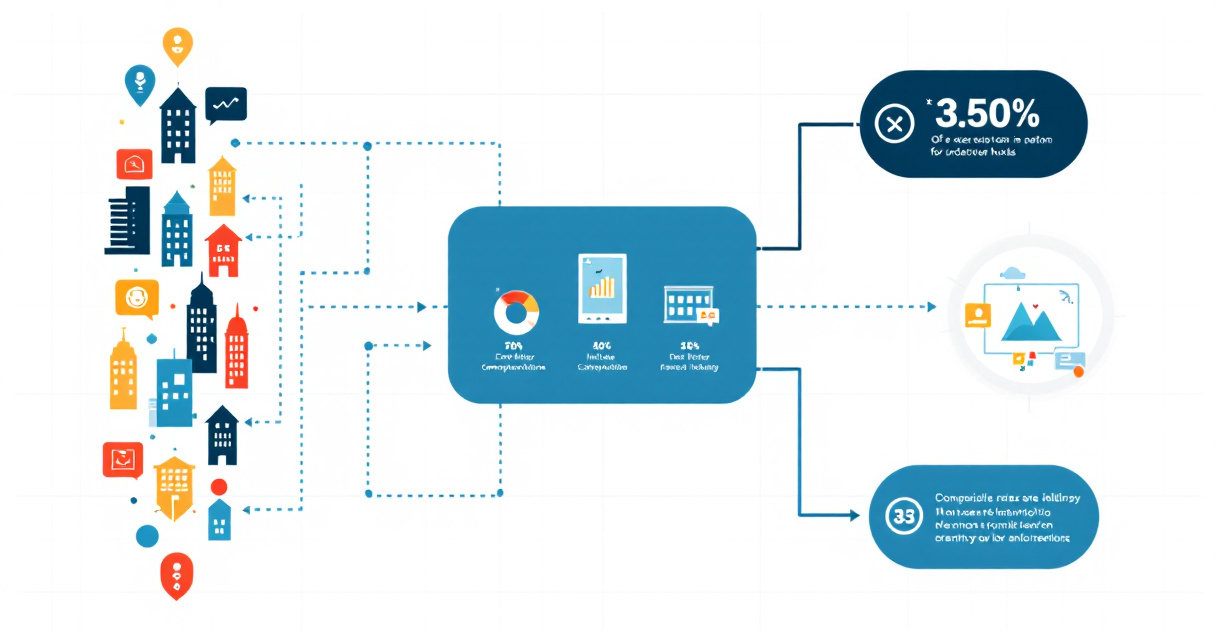
The technology collects pricing data from sources such as online travel agencies, brand websites, and metasearch platforms. It then compares those prices against your hotel’s rates and alerts revenue managers when gaps appear.
From a strategic perspective, this supports revenue management, a discipline focused on maximizing profit by adjusting pricing and managing occupancy. According to Wikipedia, revenue management aims to maximize profit through price adjustments and inventory control. Rate intelligence tools feed the data required to make those adjustments confidently.
“The first rule of any technology used in a business is that automation applied to an efficient operation will magnify the efficiency.”, Bill Gates, Business @ the Speed of Thought
For independent hotels without large revenue teams, automation magnifies a small team’s ability to track market changes.
Core Functions Found in Most Rate Intelligence Platforms
- Automated competitor rate tracking
- Real time alerts for pricing changes
- Historical pricing data and trend analysis
- OTA parity monitoring
- Market demand insights
- Integration with revenue management systems
Why Manual Rate Checks No Longer Work
Many independent properties still rely on spreadsheets or manual OTA searches. That approach creates several problems:
- Data quickly becomes outdated
- Staff can only check a few competitors
- Weekend demand spikes are missed
- Rate parity issues go unnoticed
Hotels looking to understand manual monitoring methods can review this guide on how to monitor competitor hotel rates. Rate intelligence software essentially automates that entire process and expands the scale of data being tracked.
Key Features Independent Hotels Should Prioritize
Not every rate intelligence tool fits the needs of a boutique property or regional hotel group. Enterprise systems often include expensive modules that smaller hotels rarely use. Independent operators benefit most from platforms focused on usability and pricing insights.

Essential Capabilities That Deliver Real Value
Several features consistently separate useful tools from overly complex systems.
- Automated rate scraping: Collects competitor prices from OTAs and websites multiple times per day
- Custom competitor sets: Lets hotels track nearby properties with similar positioning
- Rate parity monitoring: Identifies when OTA pricing undercuts direct booking rates
- Demand and occupancy indicators: Helps forecast periods of high demand
- Historical trend data: Shows pricing patterns across seasons or local events
Hotels focused on direct booking growth should combine rate intelligence with strategies like those described in this guide on increasing direct bookings without OTA discounts.
Example Data a Rate Intelligence Dashboard Provides
| Data Type | What It Shows | Why It Matters |
|---|---|---|
| Competitor nightly rate | Price differences across local hotels | Identifies underpricing or overpricing |
| OTA vs direct price comparison | Whether OTAs sell rooms cheaper | Protects direct revenue |
| Length of stay pricing | Rate changes based on stay duration | Supports yield management |
| Historical pricing trends | Past rate changes across months | Improves forecasting |
When these data points appear in a single dashboard, a revenue manager can adjust pricing decisions within minutes instead of hours.
How AI Is Changing Rate Intelligence
Many newer systems incorporate artificial intelligence models that analyze market patterns and recommend pricing actions. Research into AI systems, such as work on machine learning models and optimization algorithms published in journals like IEEE Access, shows how algorithms can analyze complex datasets quickly.
In hotel revenue management, this means identifying demand spikes earlier and suggesting rate adjustments before competitors react.
Benefits for Boutique Hotels and Small Portfolios
Large hotel chains employ full revenue teams that monitor market conditions daily. Independent hotels rarely have that luxury. Competitive rate intelligence software closes that gap by providing automated analysis that a small team can act on quickly.
Revenue Optimization Without a Large Team
Instead of assigning staff to manually monitor OTAs, software can continuously analyze competitor pricing and highlight opportunities.
Typical improvements include:
- Faster reaction to competitor rate drops
- More confident price increases during peak demand
- Better positioning against similar boutique properties
- Protection against underpricing during events
This data also complements other operational systems discussed across the Innstrata Hotel Operations Blog, where operators explore ways to connect pricing, marketing, and guest operations.
Better Strategic Decisions for Owners
Hotel owners often rely on monthly reports that show what already happened. Rate intelligence tools provide insight before those results occur.
Examples of strategic insights include:
- Identifying the true competitive set
- Spotting aggressive discounting by nearby hotels
- Understanding seasonal demand changes
- Adjusting packages or promotions early
Rate Intelligence Supports Competitive Analysis
In strategic management, competitive analysis involves evaluating competitors’ strengths and weaknesses to guide business strategy. According to Wikipedia, this process helps organizations make both defensive and offensive strategic decisions.
For hotels, rate intelligence software provides the raw market data needed to perform that analysis quickly.
Operational Visibility Beyond Pricing
Pricing data often reveals broader operational trends. If competitors suddenly raise rates, the reason may be an upcoming conference, festival, or sporting event. With early awareness, a hotel can prepare marketing campaigns or staffing adjustments.
How to Choose the Right Rate Intelligence Platform
Hotel technology vendors offer dozens of rate intelligence tools. The best choice depends on property size, distribution channels, and how much automation the revenue team wants.

Evaluation Criteria for Independent Hotels
Focus on practical functionality rather than feature overload.
- Ease of setup: Competitor sets should be easy to configure
- Data accuracy: Reliable rate collection from OTAs and brand websites
- Integration capability: Compatibility with PMS or revenue management systems
- Actionable alerts: Notifications when competitors change pricing
- Clear dashboards: Data visualization that non technical staff can interpret
Sample Comparison of Typical Tool Categories
| Tool Category | Best For | Limitations |
|---|---|---|
| Basic rate shoppers | Small properties monitoring 5 to 10 competitors | Limited forecasting insights |
| AI revenue platforms | Hotels wanting automated pricing suggestions | Higher cost and setup complexity |
| Market intelligence suites | Multi property groups | May include unnecessary modules |
A careful evaluation prevents hotels from paying for enterprise features that provide little benefit to a single property.
“However beautiful the strategy, you should occasionally look at the results.”, Winston Churchill, International Churchill Society
In practice, the “results” are revenue metrics such as RevPAR, occupancy, and average daily rate. Rate intelligence software connects pricing strategy to those outcomes.
Questions Operators Should Ask Vendors
- How frequently is competitor pricing updated?
- Which OTAs and booking sites are monitored?
- Can alerts be customized for specific rate changes?
- Does the tool show historical trends or only current rates?
Answers to these questions reveal whether the platform provides genuine market intelligence or simply basic price tracking.
What Competitive Rate Intelligence Will Look Like by 2027
Hotel pricing technology continues to evolve rapidly as AI models become more capable of analyzing large datasets. Over the next few years, rate intelligence platforms will likely move beyond simple monitoring toward predictive pricing recommendations.
Predictive Demand Modeling
Future systems are expected to combine rate data with demand indicators such as airline arrivals, event calendars, and historical booking patterns. This will allow software to suggest pricing adjustments before competitors respond.
Automated Pricing Adjustments
Some platforms already connect directly with revenue management systems to recommend rate changes. The next stage will involve fully automated adjustments that respond to demand signals in real time.
Integrated Operational Intelligence
Rate intelligence will increasingly connect with marketing and operational data. For example:
- Email marketing campaigns timed with demand spikes
- Website pricing adjustments for direct booking promotions
- Forecast driven staffing plans
Hotels exploring marketing strategies that align with pricing data may also benefit from resources like this guide to a hotel email marketing strategy that drives revenue.
Why Independent Hotels Will Benefit Most
Large chains already use sophisticated revenue systems. Independent hotels, however, often gain the most value from automation because it replaces manual processes.
As technology costs continue to decrease, competitive rate intelligence is becoming accessible even for small boutique properties.
Conclusion
Competitive rate intelligence software has shifted from a luxury tool to a practical necessity for independent hotels. Real time competitor monitoring, automated alerts, and market trend analysis give smaller properties the same pricing visibility once reserved for global brands.
For hotel owners and revenue managers, the next step is simple: evaluate how your current pricing decisions are made. If competitor monitoring still relies on manual checks or spreadsheets, modern rate intelligence tools can provide faster and more reliable insights.
You can explore more operational strategies, technology insights, and practical hotel management guides on the Innstrata Hotel Operations Blog. Staying informed about tools like rate intelligence platforms helps independent hotels compete confidently in a data driven pricing environment.